Unlocking the Keys of Successful Event Planning for Memorable Knowledge
Effective event planning needs a calculated strategy that goes beyond simple logistics. It entails a cautious consideration of goals, target market, and themes. Coordinators must focus on creating customized experiences that engage participants and foster connections. Nonetheless, the course to achieving remarkable events is commonly loaded with difficulties. Comprehending the subtleties of reliable planning can disclose the possibility for genuinely impactful events. What are the crucial components that make an occasion remarkable?
Defining Your Event Goals and Purposes
Clarity is essential when defining event objectives and objectives, as it sets the foundation for an effective planning procedure. By verbalizing particular objectives, event planners can produce a clear instructions and guarantee that all efforts align with the preferred results. Goals must be measurable and achievable, allowing planners to track progress and evaluate success properly.
Identifying the overarching objective of the event, whether it is to enlighten, delight, or advertise, plays a considerable role in forming each decision made throughout the drawing board. Stakeholders need to be associated with this preliminary interpretation stage to collect varied point of views and promote a sense of ownership.
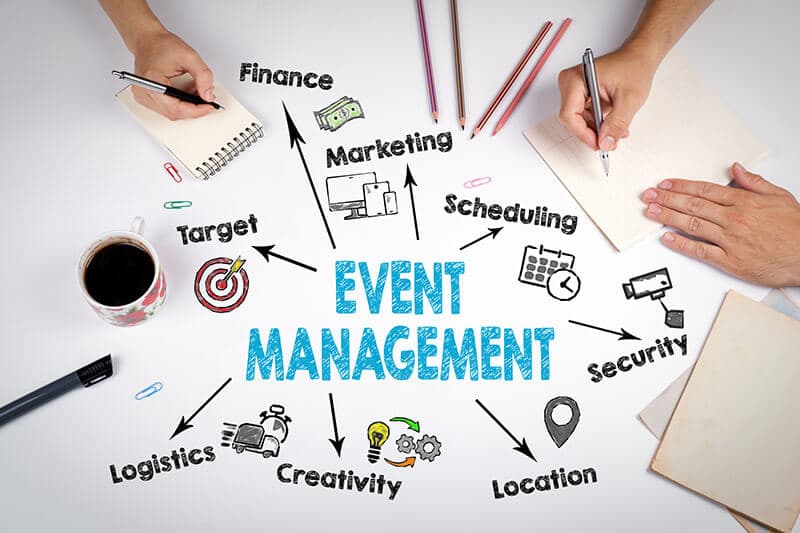
Comprehending Your Audience
Comprehending the target market is necessary for efficient event planning. This includes determining target demographics and evaluating their choices to tailor the event experience. By obtaining insight right into the audience's features and rate of interests, organizers can produce extra interesting and relevant events.
Identifying Target Demographics
How can event organizers ensure their events reverberate with guests? Identifying target demographics is necessary for crafting memorable experiences - event planning companies charlotte nc. Successful planners start by carrying out detailed research study to comprehend the age, rate of interests, and choices of their target market. This includes analyzing aspects such as geographical area, cultural backgrounds, and socioeconomic status. By segmenting potential participants right into distinctive groups, organizers can tailor event components, consisting of locations, tasks, and styles, to straighten with specific group features. Involving with potential participants through surveys or social networks can give useful understandings into their expectations. Ultimately, this targeted approach enables event coordinators to create tailored experiences that cultivate link and interaction, guaranteeing that events not only meet but surpass the wishes of their audience
Analyzing Audience Preferences
When target demographics are recognized, the following step includes evaluating audience choices to create a genuinely interesting event experience. Understanding what reverberates with the target market is important for tailoring content, tasks, and overall ambience. This process can be attained through surveys, social media understandings, and previous event comments, which offer useful data on rate of interests, preferences, and assumptions. Event planners ought to concentrate on crucial elements such as preferred motifs, prospective audio speakers, and wanted networking chances. Furthermore, maintaining an eye on arising patterns can aid in expecting target market requirements. By leveraging this information, organizers can develop events that not only draw in participants however additionally urge energetic engagement, guaranteeing an unforgettable experience that straightens with target market needs.
Crafting a Distinct Motif and Environment
To create a remarkable event, coordinators should initially specify the event's objective, as this foundational action shapes the general experience. Visual cohesion plays an essential role in establishing a motif that reverberates with guests, making each element of the design work harmoniously. Engaging all detects further improves the environment, guaranteeing that visitors have an immersive experience that lingers long after the event wraps up.
Defining Your Event's Objective
While lots of event organizers concentrate on logistics and visitor listings, specifying the event's purpose is essential for crafting an one-of-a-kind theme and ambience. Establishing a clear purpose allows planners to align all components of the event, from design to activities, with a cohesive vision. This clarity assists in choosing a theme that resonates with participants, making certain that the experience is both appealing and memorable. A company resort might stress synergy and advancement, while a wedding event might focus on love and party. By thoughtfully thinking about the event's intent, planners can create an ambience that not only captures the significance of the event yet likewise fosters meaningful links among guests, boosting the overall experience.
Producing Visual Communication
Creating visual cohesion is vital for transforming an occasion into a memorable experience, as it unifies different components under a solitary, compelling theme. This process begins with a clear vision that guides the choice of shades, design, and materials. Each element must mirror the overarching theme, whether it be a rustic wedding or a business gala. Focus to detail, such as matching table settings and signs, enhances this unity. Lighting plays a crucial duty, improving the ambience and highlighting vital areas. Furthermore, integrating constant branding aspects, such as taglines and logos, solidifies the theme while creating a professional touch. Eventually, visual visit their website cohesion not only mesmerizes guests however additionally promotes a feeling of belonging and involvement throughout the event.
Involving All Senses
Engaging all senses is necessary for crafting an one-of-a-kind motif and atmosphere that resonates with attendees. Successful event planners recognize that incorporating visual, auditory, olfactory, responsive, and gustatory components develops an all natural experience. Thoughtful design sets the visual tone, while meticulously curated music adds an acoustic layer, improving the psychological atmosphere. Scents, whether from flower arrangements or food stations, evoke memories and stimulate discussion. Tactile experiences, such as interactive setups or textured products, invite visitors to involve physically with the environment. Offering one-of-a-kind food and drink choices can tantalize taste buds, leaving an enduring impact. By considering each feeling, event coordinators can produce memorable experiences that deeply get in touch additional resources with participants, ensuring that the event continues to be unforgettable long after it concludes.
Managing Logistics and Budgeting
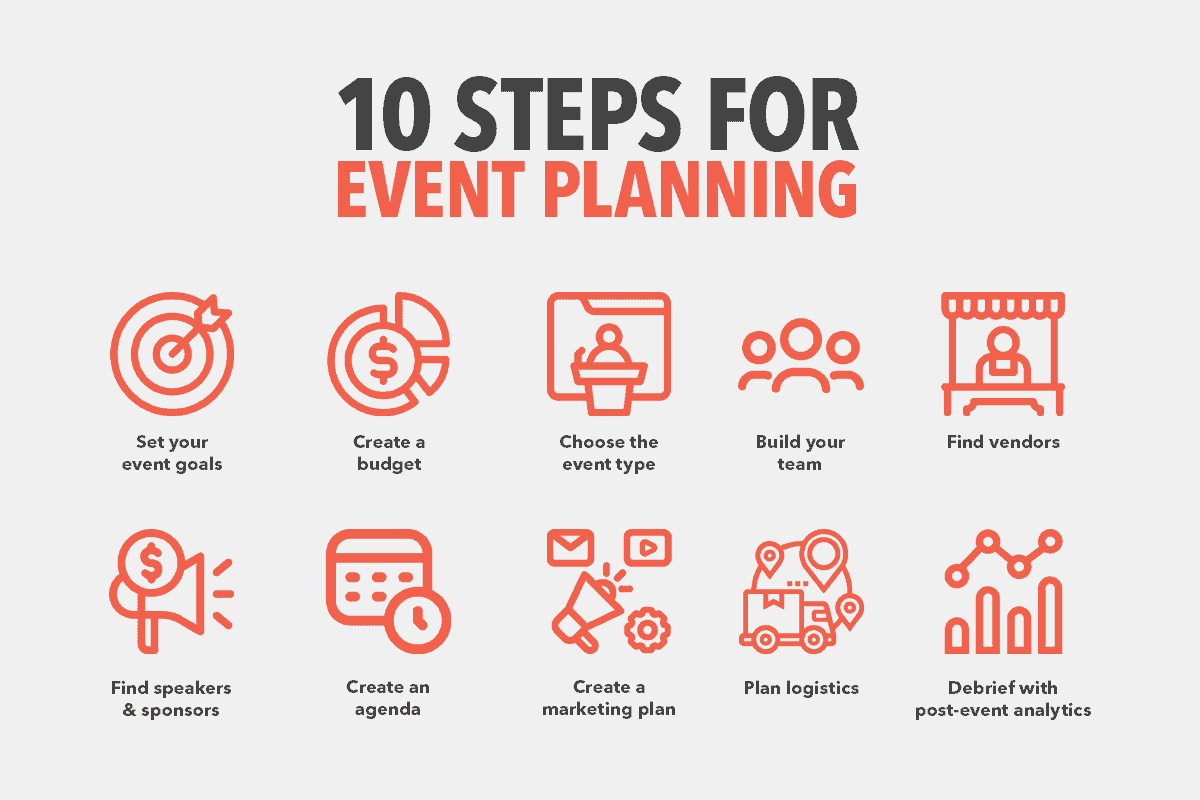
Effective event planning rests on the careful monitoring of logistics and budgeting, as these elements are basic for guaranteeing a smooth experience. An effective event needs thorough attention to detail in coordinating transport, location choice, and essential equipment. Coordinators have to examine the needs of the event and create a complete checklist to handle timelines properly.
Budgeting plays a considerable function in determining the range of the event. It entails not only designating funds for each facet however additionally establishing and anticipating prospective expenditures aside contingencies. By prioritizing costs, organizers can make enlightened decisions on where to invest, whether in top quality vendors or one-of-a-kind places.
Engaging Guests Throughout the Event
Exactly how can event coordinators assure that visitors continue to be astounded and entailed throughout the duration of an event? Engaging guests requires a thoughtful mix of interactive components, entertainment, and individual links. Reliable event planners incorporate tasks that urge involvement, such as live polls, Q&A sessions, or hands-on workshops.
In addition, developing a lively environment with music, visual display screens, or themed décor can improve the overall experience. Using chances for networking and social communication promotes links amongst guests, making them feel much more purchased the event.
Calculated use of technology, like event applications or social media integration, can keep guests informed and involved. Planning shock elements, such as visitor speakers or entertainment intermissions, can likewise record interest and maintain interest. Ultimately, the vital lies in balancing framework with spontaneity, making sure that guests feel both captivated and involved throughout the event.
Assessing Success and Celebration Feedback
What find out approaches can event planners employ to examine the success of their gatherings and gather useful responses? Planners frequently make use of surveys and surveys dispersed shortly after the event to record participants' impacts. These tools can be tailored to gauge fulfillment levels pertaining to various elements, such as place, audio speakers, and general experience.
Furthermore, coordinators may carry out interviews or focus teams with select individuals for more in-depth insights. Social media monitoring also gives a real-time snapshot of participants' views, as visitors usually share their experiences online.
Assessing participation numbers and involvement metrics can further highlight locations of success and those requiring renovation. Finally, examining the event's goals against actual outcomes enables coordinators to determine successes and gaps, informing future events. By utilizing a mix of these strategies, event organizers can collect complete responses to enhance future gatherings.

Often Asked Inquiries
Just how Do I Pick the Right Place for My Event?
Selecting the right venue entails reviewing capacity, area, availability, services, and ambiance. In addition, taking into consideration spending plan restraints and the event's function ensures an appropriate environment that meets attendees' demands and enhances the total experience.
What Should I Consist of in an Occasion Planning Timeline?
An event planning timeline must consist of key landmarks, target dates for vendor reservations, budget assessments, place verifications, advertising routines, staffing plans, and a list for day-of logistics to guarantee a smooth implementation of the event.
Just How Can I Efficiently Advertise My Event?
To successfully promote an occasion, one should make use of social networks systems, engage local influencers, produce captivating visuals, offer very early bird tickets, and keep consistent communication with newsletters and targeted ads to get to a broader audience.
What Are Some Tips for Taking Care Of Final Adjustments?
To take care of last-minute modifications properly, one need to maintain clear communication with all stakeholders, prioritize jobs, stay adaptable, and have backup strategies ready (event planning companies charlotte nc). Versatility and a tranquil temperament can significantly decrease stress during unforeseen scenarios
Exactly how Do I Deal With Difficult Visitors During the Event?

To create a memorable event, organizers must initially define the event's objective, as this fundamental action shapes the general experience. While several event coordinators focus on logistics and visitor checklists, defining the event's purpose is important for crafting a distinct style and environment. Effective event planners recognize that incorporating aesthetic, auditory, olfactory, responsive, and gustatory aspects produces an alternative experience. How can event coordinators ensure that visitors stay captivated and involved throughout the period of an event? Evaluating the event's goals versus real outcomes enables coordinators to identify spaces and successes, educating future occasions.